BCG vaccine: the first tuberculosis vaccination took place a century ago
- #Vaccins
- #Institutionnel
- #BCG
- #Tuberculose
- #Institutionnel

July 2021 marks the hundredth anniversary of the first vaccination of an infant with the BCG vaccine. Although tuberculosis is still one of the ten leading causes of mortality worldwide, this vaccine, developed at the Institut Pasteur, led to a steep reduction in the number of cases. We take a look back at how the vaccine was discovered.
Albert Calmette arrived in Lille in 1897 as director of the new branch of the Institut Pasteur that had just been established there. He began to take an interest in tuberculosis, since at that time Lille was still very much a working-class city and tuberculosis was rife and deadly among the local population.
Calmette and Guérin, two scientists on the hunt for a vaccine
Calmette decided to embark on a lengthy endeavor – the search for a tuberculosis vaccine. He approached Camille Guérin, a 24-year-old veterinarian and junior researcher who had graduated from the prestigious Alfort Veterinary School. Guérin would be able to assist Calmette with experiments on animals. Cattle were being affected by a strain of tuberculosis that was very close to the human strain, and at the time it was thought that the two strains were identical.
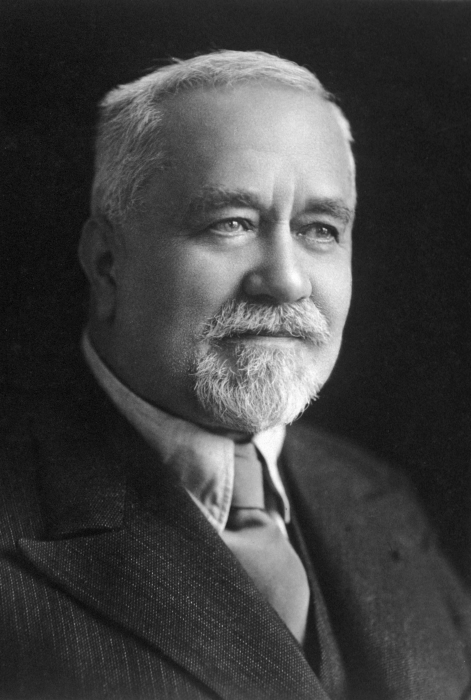
Portrait of Albert Calmette in 1921. Photo by Lutecia. Founded the first Institut Pasteur outside metropolitan France, in Saïgon. Developed BCG vaccine (with Camille Guérin) in 1921. Fonded the Institut Pasteur of Lille. Credit : Institut Pasteur/Musée Pasteur
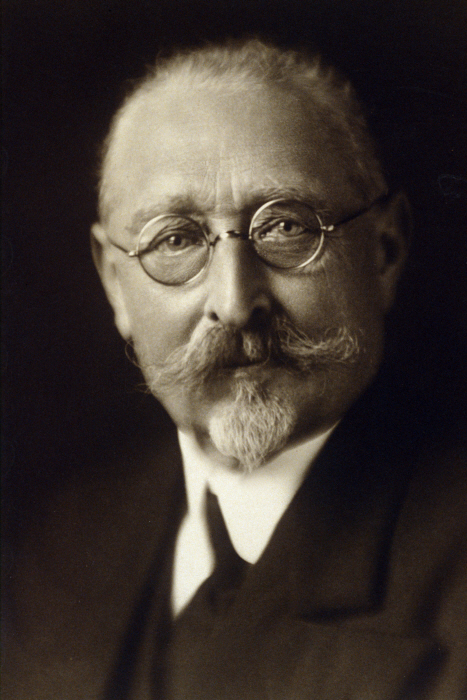
Portrait of Camille Guérin around 1920-1930. Camille Guérin worked with Albert Calmette on developing the BCG (Bacillus Calmette–Guérin or vaccin Bilié Calmette et Guérin in French), vaccine which was created in 1921. Photographer - writer : LUTETIA. Credit : Institut Pasteur/Musée Pasteur
In 1908, Calmette and Guérin cultured a tuberculosis strain isolated from a cow with tuberculous mastitis so that they could study it. They did not yet realize that this culture, on a medium consisting of autoclaved potato and beef bile, would lead them directly to the vaccine. Every three weeks, they subcultured the bacteria. Subculturing involves taking part of the cultured bacteria and putting it on a new medium with the same composition.
Attenuated strain obtained after 13 years and 230 subcultures
The bacteria from these repeated subcultures were then inoculated into young oxen. The scientists initially observed a rise in the virulence of the bacteria. But after around 30 subcultures, the virulence began to decrease. Calmette and Guérin continued their work until, 13 years and 230 subcultures later, they finally had a totally harmless strain. They tested it on oxen and found that the strain did not make them ill but gave them immunity to tuberculosis.
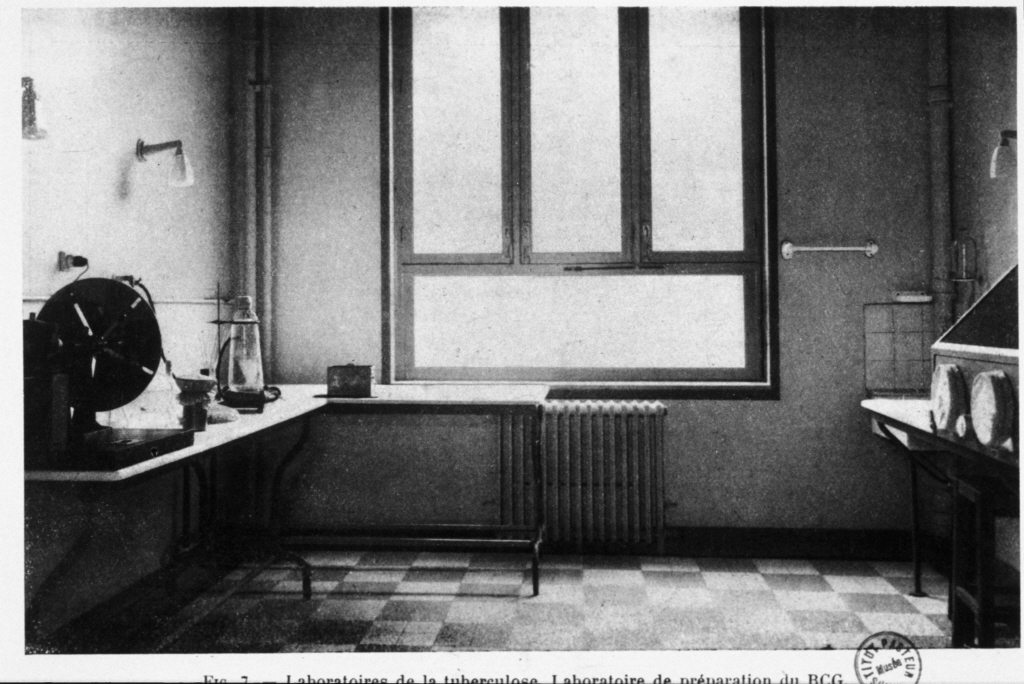
Tuberculosis laboratory. The BCG vaccine preparation room in the tuberculosis laboratory at the Institut Pasteur in Paris. Credit : Institut Pasteur/Musée Pasteur
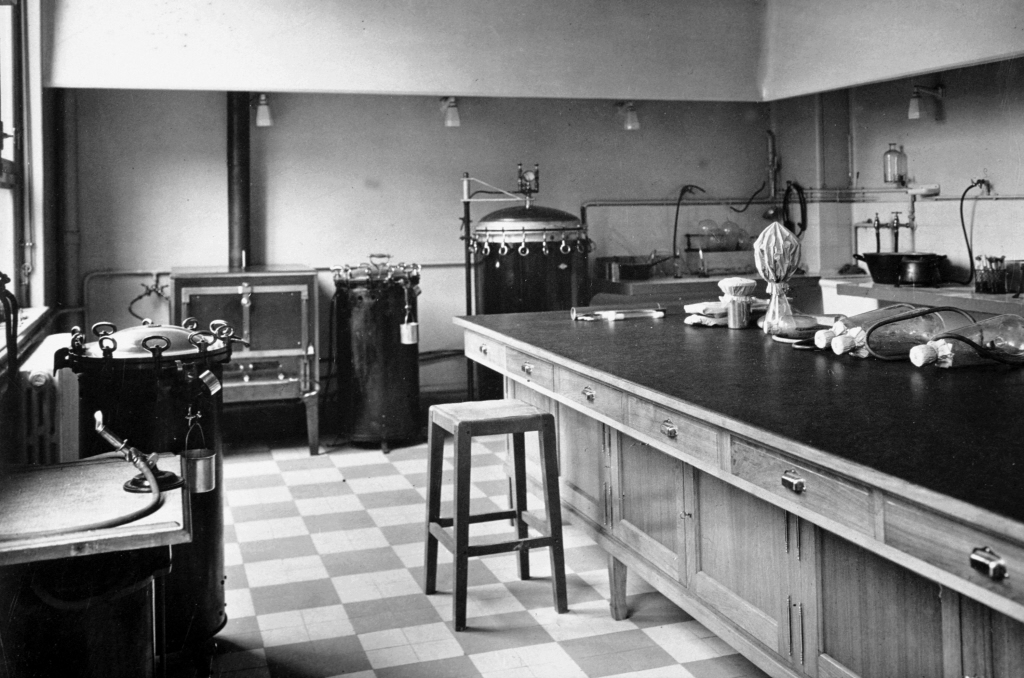
Sterilization room of the tuberculosis laboratory around 1932, at the Institut Pasteur in Paris. On the table: equipment used for the preparation of BCG around 1932-1935. Credit : Institut Pasteur/Musée Pasteur
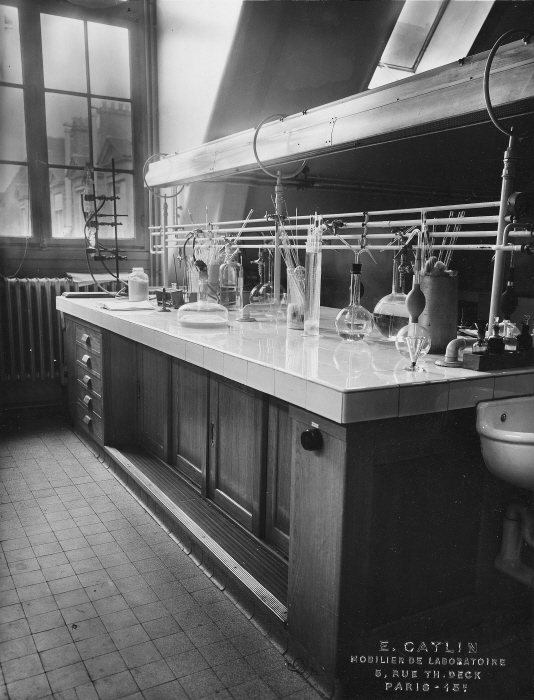
BCG laboratory at Institut Pasteur around 1930. Ceramic tile workbench. Photographer - Writer : PH. PICHON Paris XV. Credit : Institut Pasteur/Musée Pasteur
In July 1921, the vaccine was administered to an infant for the first time. Calmette agreed to carry out this trial because the infant's life was in danger, as the mother had been suffering from tuberculosis. The infant was saved by the vaccine. Over the next few years, the vaccine was administered to hundreds of infants, and in 1924 it began to be mass produced under the name BCG (Bacillus Calmette-Guérin).
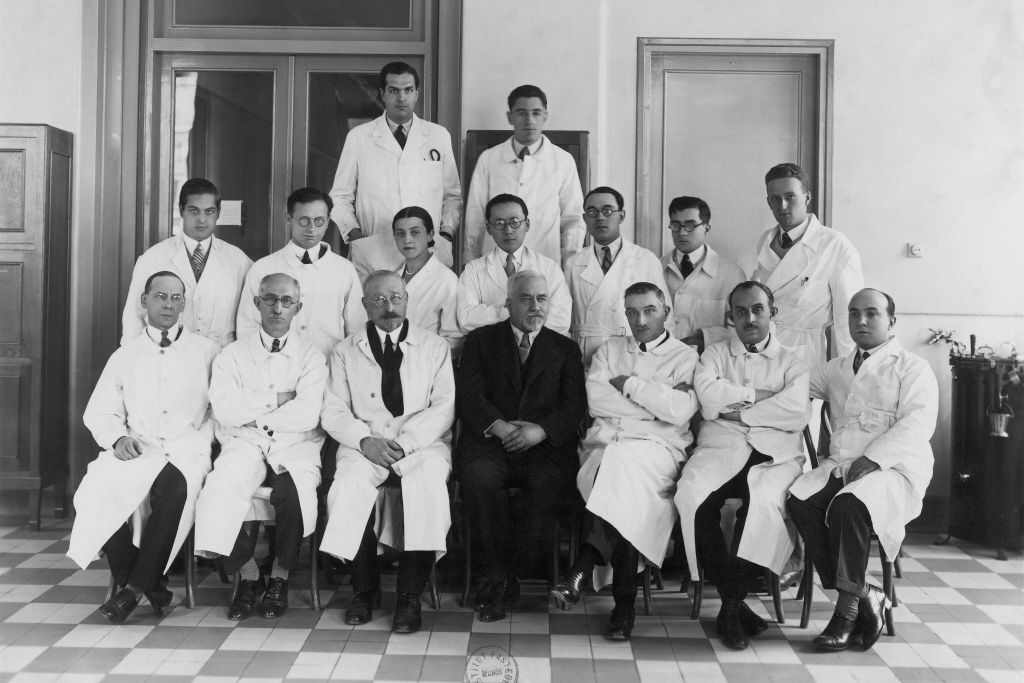
Albert Calmette (without a lab coat) and Camille Guérin (on his right), with their team, at the end of the 1920s. They developed the vaccine against tuberculosis (BCG) in 1921. Credit : Institut Pasteur/Musée Pasteur
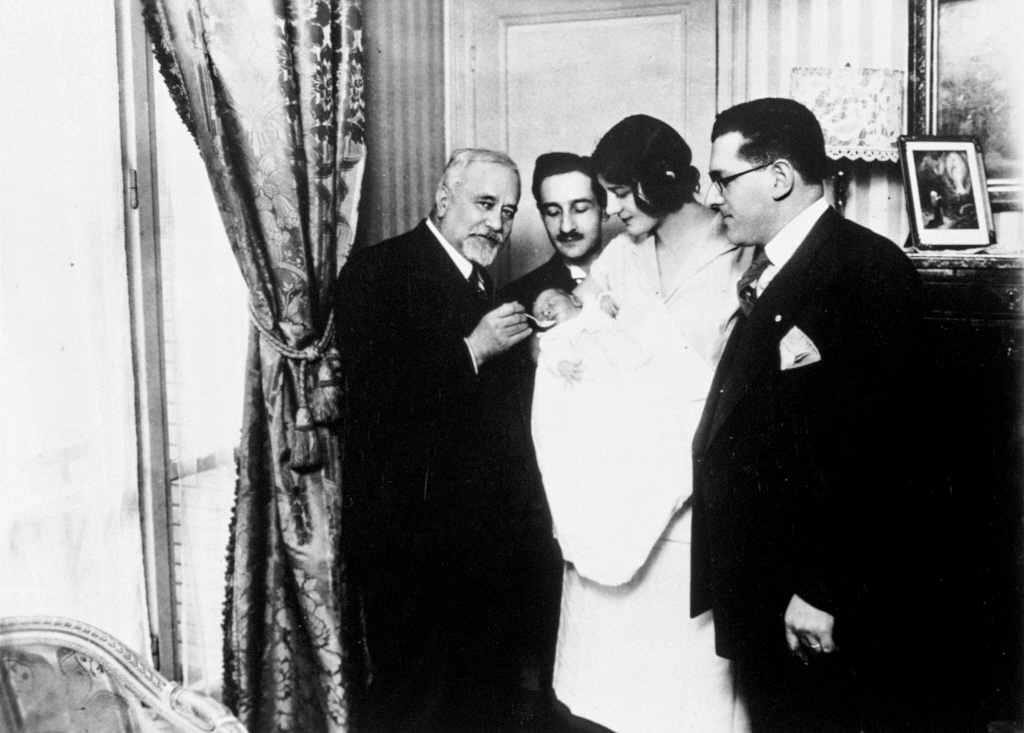
Albert Calmette, with Dr. Lacomme, administers BCG by mouth to the son of his collaborator Dr. Abelardo Saenz, Paris on June 6, 1931. Credit : Institut Pasteur/Musée Pasteur
The BCG vaccine became compulsory in France from 1950 onwards. It led to a dramatic fall in mortality from tuberculosis and was included in the World Health Organization's Expanded Program on Immunization for developing countries. The vaccine has not been compulsory in France since 2007, but it is still strongly recommended for people at risk of exposure to tuberculosis and those living in French Guiana, Mayotte and the Greater Paris region, where tuberculosis still circulates.
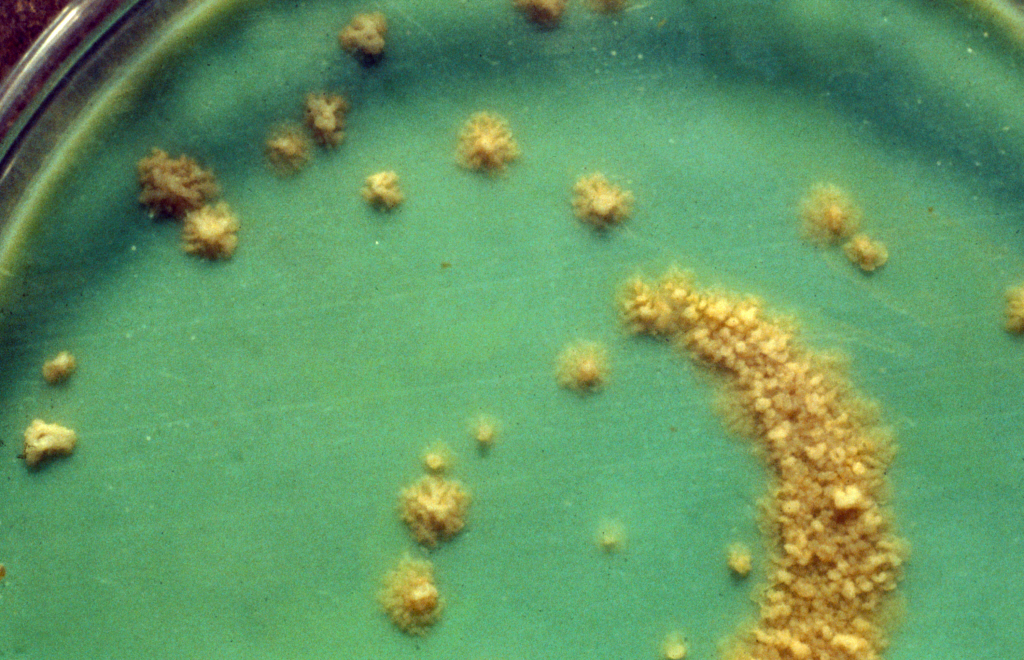
Mycobacterium bovis (BCG, Bacillus Calmette - Guérin) in culture. Used in the preparation of the BCG vaccine. Credit : Institut Pasteur
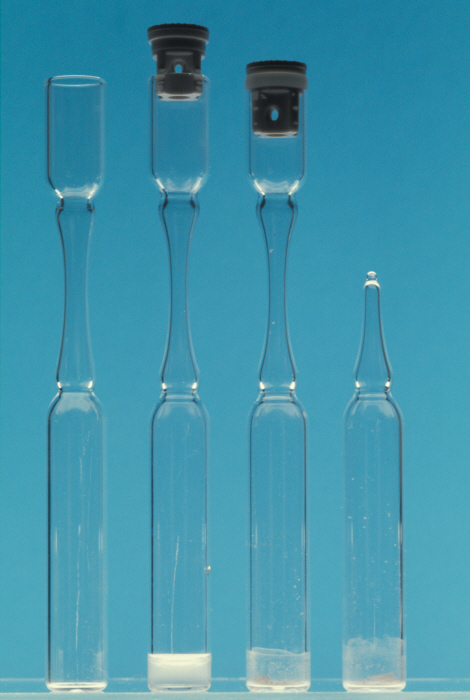
Ampoules of BCG vaccine (different stages of packaging) manufactured at the Pasteur Institute in Paris (before its transfer to Val de Reuil). 1986. Crédit : © Institut Pasteur
Further information:
A new approach for improving BCG - Institut Pasteur Press release