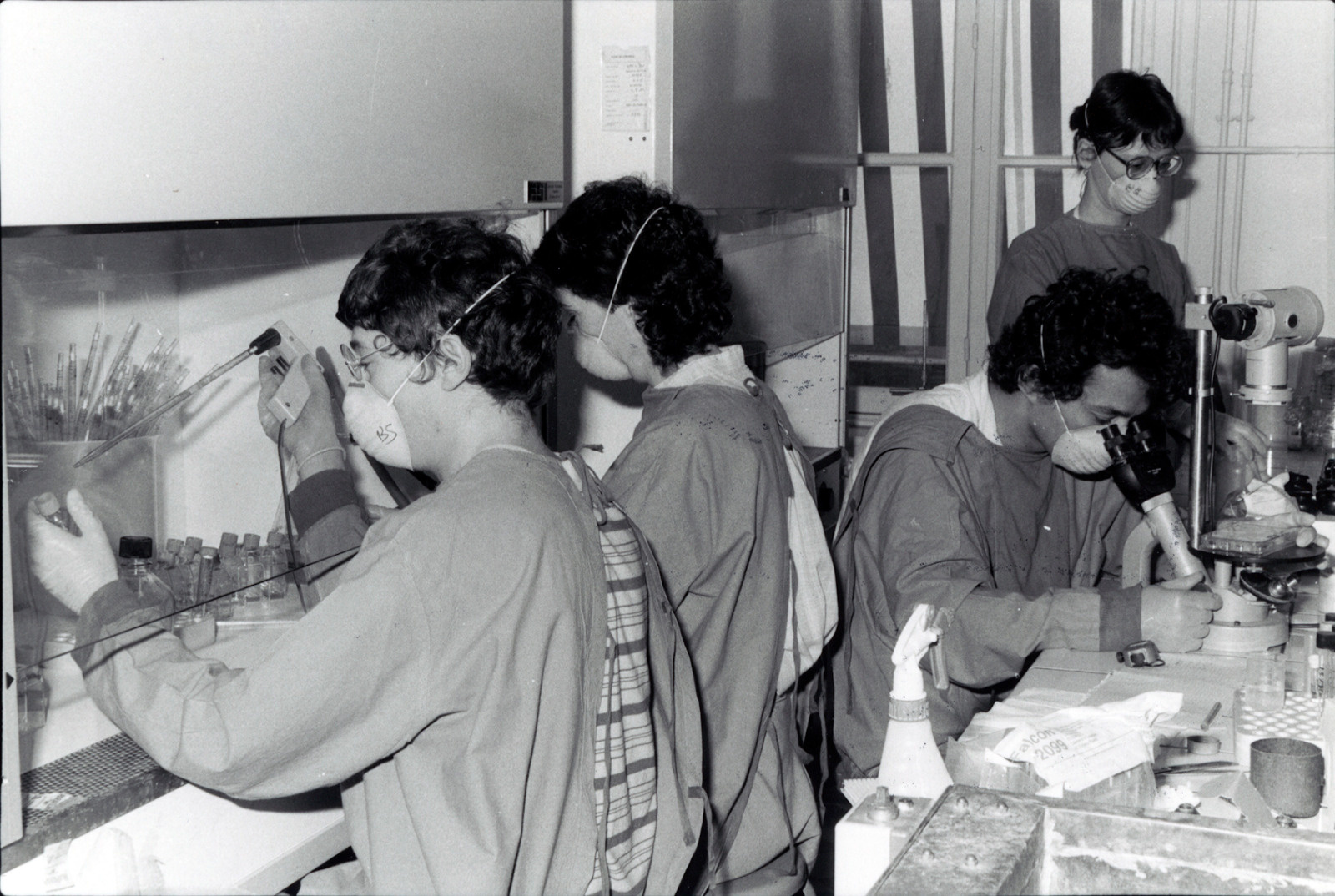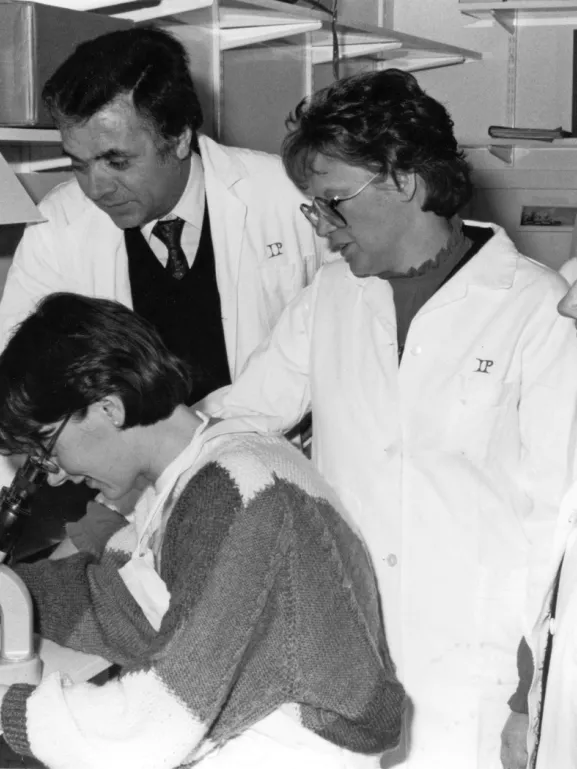
A l'Institut Pasteur, Jean-Claude Chermann, Françoise Barré-Sinoussi (au centre) avec d'autres membres du laboratoire en 1987.

Our history is interspersed with discoveries that have revolutionized medicine and public health. For almost 140 years, the Institut Pasteur has been adding to its tally of major breakthroughs, each meeting the major health threats of its time.

Discoveries

A century and a half of discoveries and inventions at the Institut Pasteur 

Our history is interspersed with discoveries that have revolutionized medicine and public health. For almost 140 years, the Institut Pasteur has been adding to its tally of major breakthroughs, each meeting the major health threats of its time.

« Scientific research is one of the most exciting areas of human endeavor. Particularly when it seeks to combat disease and pain, and alleviate the human condition. »
François Jacob 1987

The vaccine that revolutionized the history of medicine

1885

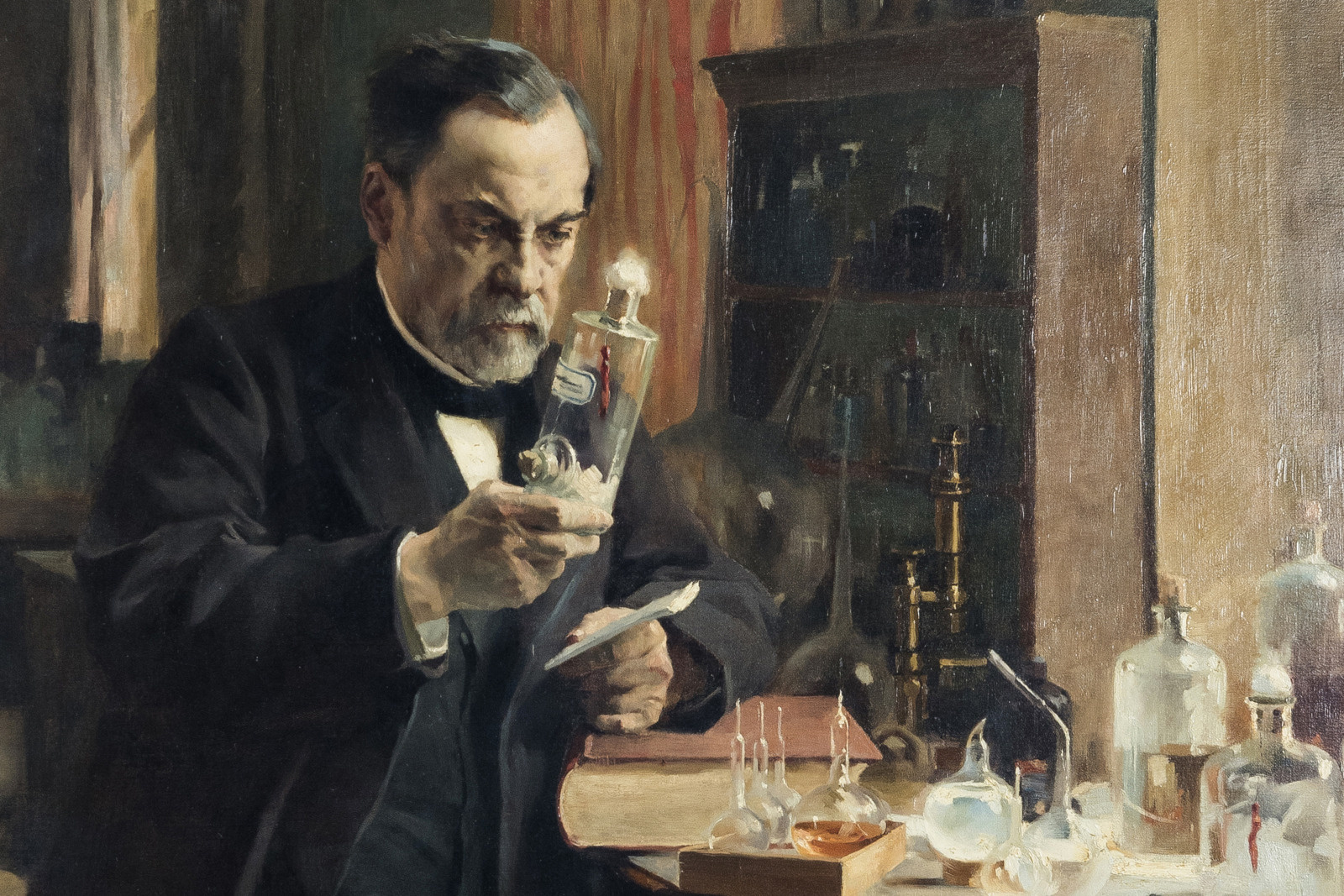
Early in his career, Louis Pasteur focused mainly on animal diseases, developing vaccines for fowl cholera (1879) and anthrax (1881), the latter having caused devastating losses in cattle and sheep populations in some French regions. From his pioneering work on fermentation and pasteurization to his exploration of infectious silkworm diseases, each step brought Louis Pasteur closer to his landmark discovery of the rabies vaccine in 1885. As a direct result of this scientific revolution, Louis Pasteur founded the Institut Pasteur two years later. This was intended, from the outset, as an institution to unite scientific research and medical practice.

Pasteur's heirs and protégés make their own mark on history

1894

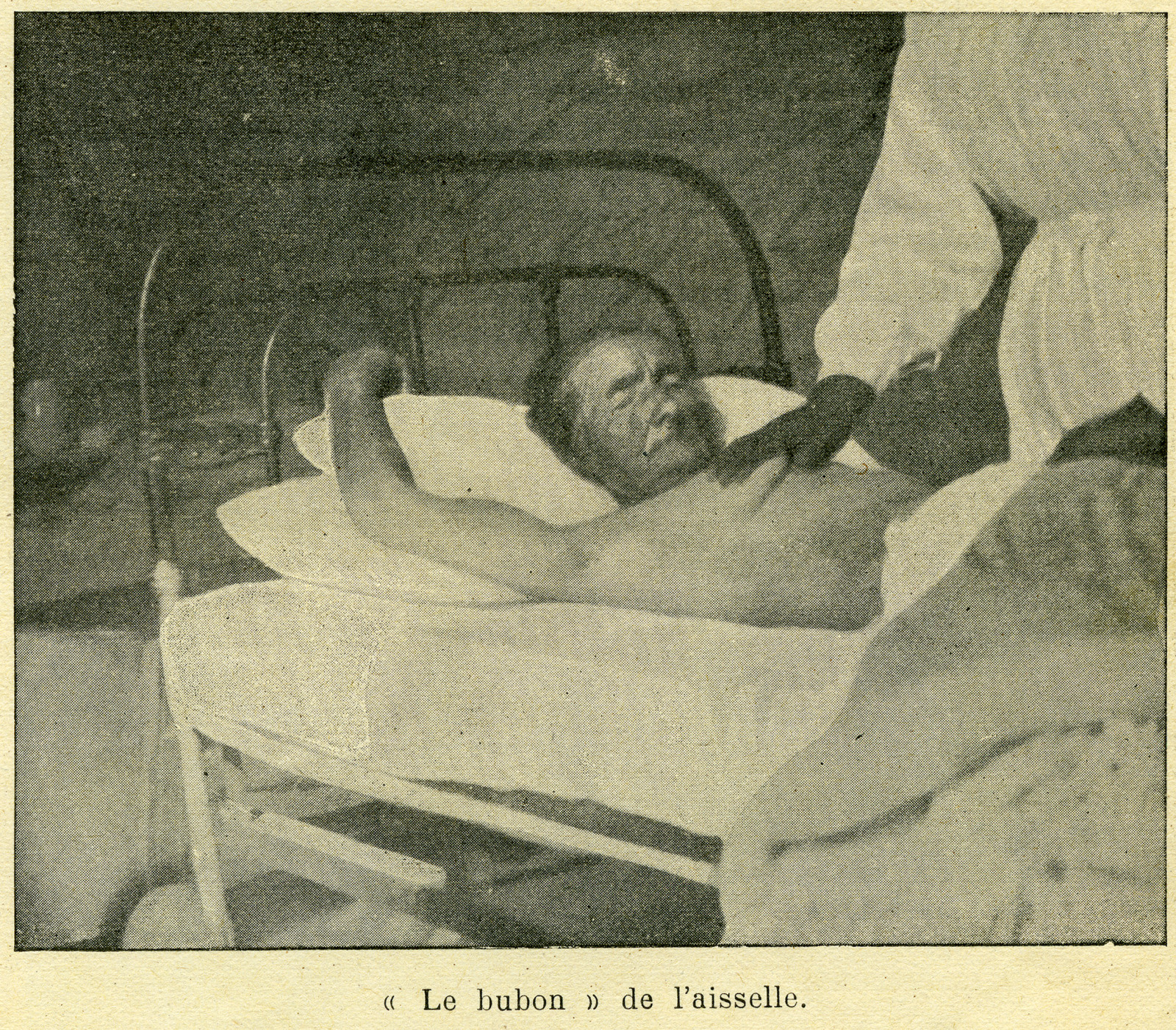
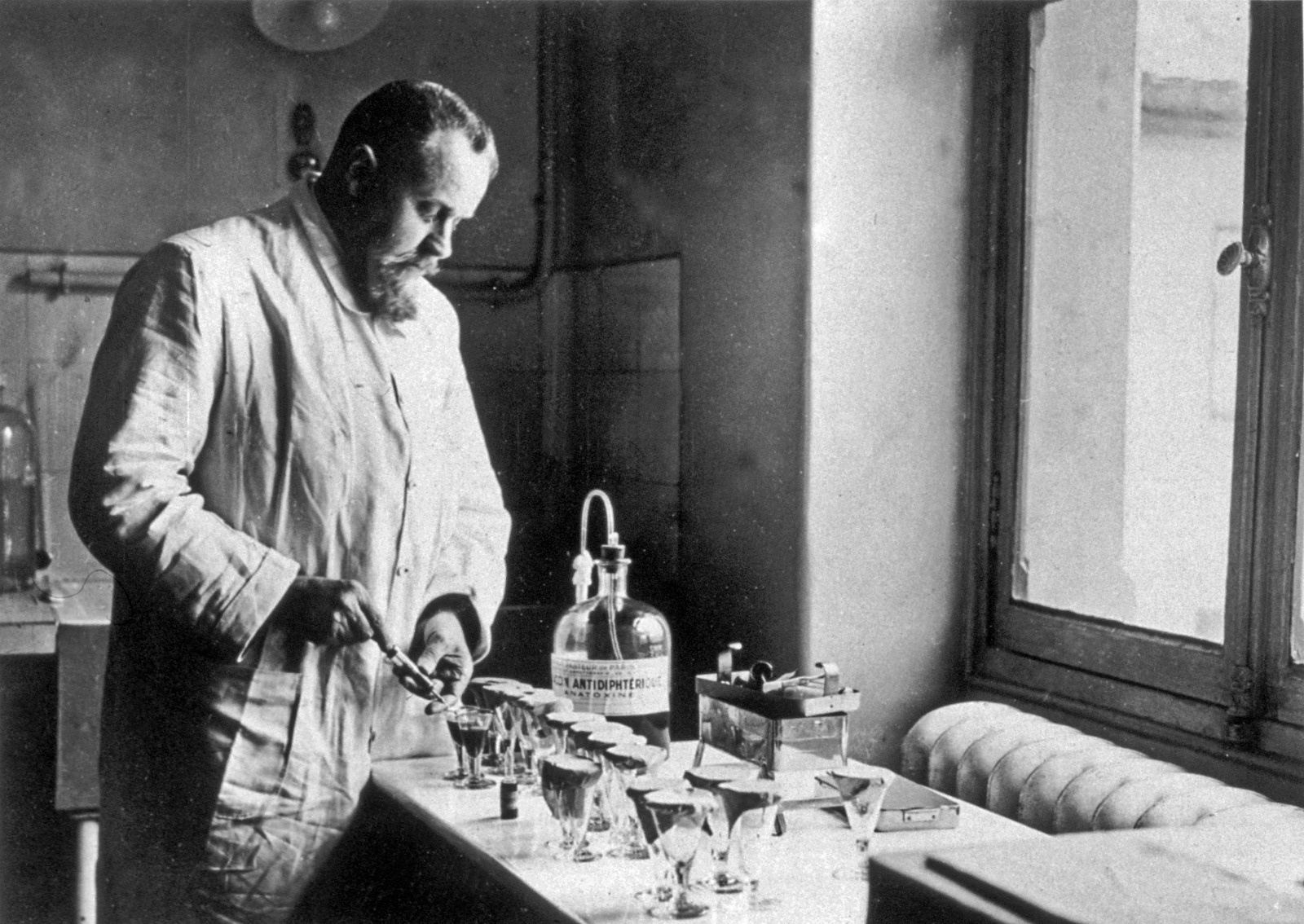
This is the story of a man, a hut, and, of course, the end of one of history's most deadly mysteries. In 1894, Alexander Yersin – a young Swiss-French physician trained at the Institut Pasteur – traveled to Hong Kong, which, at the time, was in the midst of a bubonic plague outbreak. Based in a poorly equipped bamboo hut, it took him just a few days to identify the bacillus responsible for plague. Yersinia pestis bears his name to this day. Four years later, Paul-Louis Simond identified the role played by fleas in transmitting plague. Also in 1894, Émile Roux, Louis Martin and Auguste Chaillou developed a serotherapy treatment that would revolutionize the way infectious diseases were treated. The diphtheria antitoxin was the first effective treatment for a disease that was killing thousands of children every year. The late 19th century was also marked by Ilya Mechnikov's work on inflammation and immunity (1889). Jules Bordet then shed light on the immune system's functional mechanisms (1896). In 1917, Félix d’Hérelle discovered bacteriophages (viruses that only replicate in bacteria).

A roaring decade of discoveries

The 1920s

In the 1920s, Gaston Ramon's research leading to the discovery of the diphtheria toxoid was used to develop vaccines for diphtheria and tetanus, which have since protected hundreds of millions of lives. These vaccines now form the basis of global childhood immunization programs (the famous tetanus-diphtheria-polio or DTP vaccine). Thanks to them, infant mortality linked to these three diseases has dropped significantly, both in France and worldwide. In 1921, Albert Calmette and Camille Guérin developed the BCG vaccine for tuberculosis. This is one of the most widely administered vaccines of all time, with over 100 million children vaccinated every year.

From tackling outbreaks to revolutionizing life sciences

1932-1970

Having brought the main infectious diseases under control, the Institut Pasteur, no longer content to merely fight microbes, sought to understand the fundamental mechanisms of life itself. Firstly, during this period, the yellow fever vaccine was rolled out worldwide, proving a vital preventive measure particularly in the tropics. At around the same time, Daniel Bovet discovered antihistamines, finally providing millions of allergy sufferers with effective relief. However, a more fundamental revolution was occurring on a scale invisible to the naked eye: the birth of molecular biology. In Institut Pasteur laboratories, scientists like Jacques Monod and François Jacob were deciphering, for the first time, how genes are regulated and how cells synthesize their own components. This pioneering, Nobel prize-winning research also paved the way for modern neurobiology by identifying the first receptors in the brain and investigating growth factors. In just a few decades, the Institut Pasteur had blazed a trail from microscope to DNA.

The discovery that changed a generation

1983

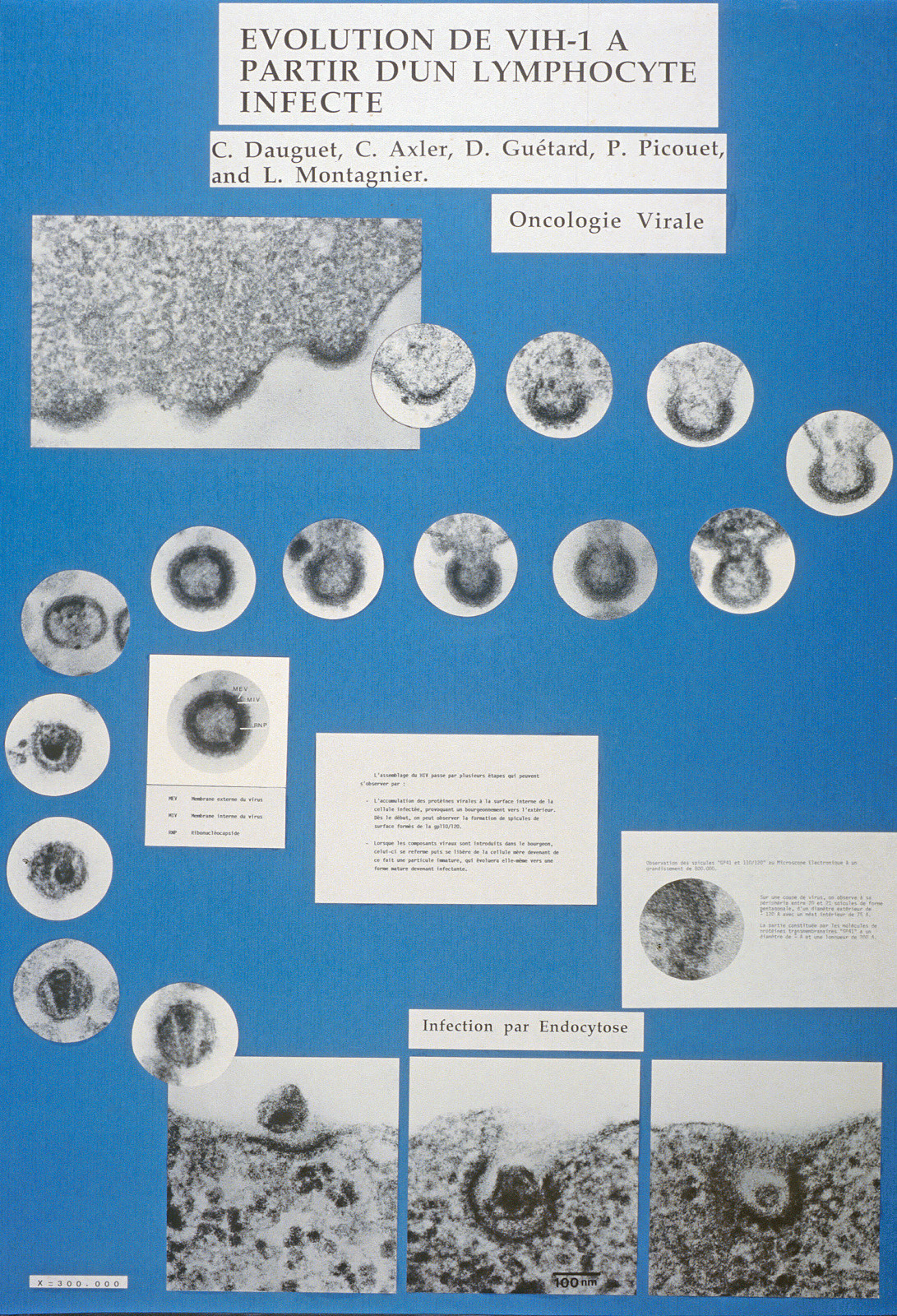
An extremely serious disease, mainly affecting young people, was gaining global attention. This was a nameless, faceless, hopeless illness. In their laboratory at the Institut Pasteur, Françoise Barré-Sinoussi and Luc Montagnier isolated an unknown retrovirus. This virus would become known as the human immunodeficiency virus or HIV. Its discovery marked a genuine revolution, earning a Nobel Prize in 2008. The first screening test followed, paving the way for antiretroviral therapy that has transformed HIV from a death sentence into a manageable chronic condition, saving millions of lives.

The next steps in the great scientific quest to protect global health

1985

In 1985, Pierre Tiollais' basic research on hepatitis B led to the development of vaccines that have made an immeasurable contribution to curbing liver cancer incidence. According to WHO figures, the hepatitis B vaccine prevented more than 310 million infections between 1990 and 2020 and drastically reduced liver cancer cases (the leading cause of cancer death in many countries).

The Pasteurian spirit of tireless innovation in the face of health challenges 

Scientists at the Institut Pasteur work tirelessly to identify and tackle the global health threats of our time: 

  • Outbreak emergency response: from tracing chikungunya and Zika virus to coordinated efforts to tackle COVID-19.
  • Prevention of infection-related cancer: development of rapid tests for Helicobacter pylori and screening for high-risk human papillomaviruses (HPV).
  • Treating genetic disorders: identifying genes responsible for hearing loss and developing innovative therapies.
  • Tackling antimicrobial resistance and neglected diseases.

To this day, the Institut Pasteur continues to carry out research that offers promise and hope: a candidate vaccine for chikungunya, a preclinical study on postpartum breast cancer, a clinical trial on gene therapy to treat hearing loss in children, AI-assisted immune cell selection screening and much more besides!
 

This heritage belongs to you!

The Institut Pasteur was founded with public donations. These were made by people who believed in science and the future. All these donors contributed to the birth of our Foundation nearly 140 years ago. The same promise applies today: Your donations can change millions of lives / Each donation can change millions of lives