Pasteur MOOCs: Free Online Courses in Life and Health Sciences
- #Enseignement
- #MOOC
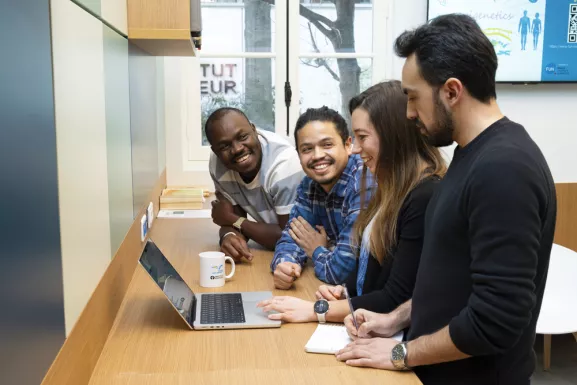

Why choose a Pasteur MOOC?
- Learn from internationally recognized experts: courses are designed and taught by researchers, physicians, and subject-matter experts from the Institut Pasteur and its academic partners.
- Learn anytime, anywhere: all course content is freely accessible online, allowing you to learn at your own pace, wherever you are in the world.
- An interactive learning experience: videos, quizzes, discussion forums, educational resources, and live sessions support learners throughout each course.
- Earn a certificate: several MOOCs offer the opportunity to take an optional paid final assessment to earn a certificate of achievement. Eligible certified MOOCs may also count toward the Institut Pasteur Digital Diploma in Infectious Diseases.
Open MOOCs
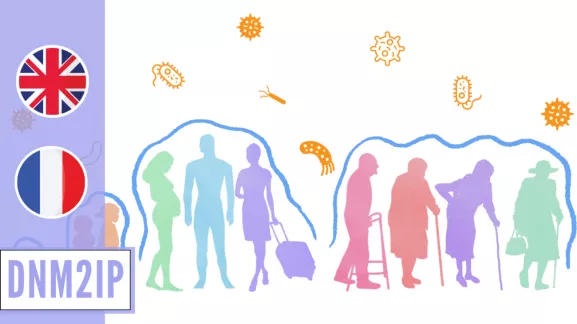
Vaccinology MOOC
Course available from May 5, 2026, to May 4, 2027
Course Directors: Armelle Phalipon and Chetan Chitnis
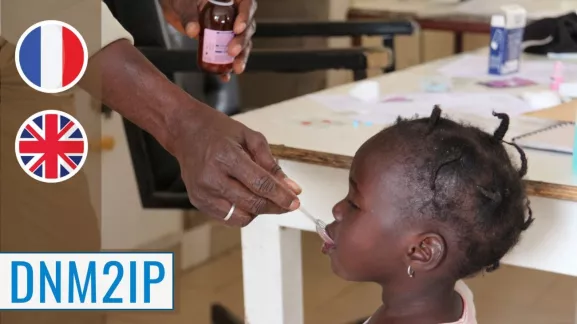
Clinical Trials in Infectious and Tropical Diseases MOOC
Course available from May 5, 2026, to May 4, 2027
Course Directors: Armelle Phalipon and Chetan Chitnis
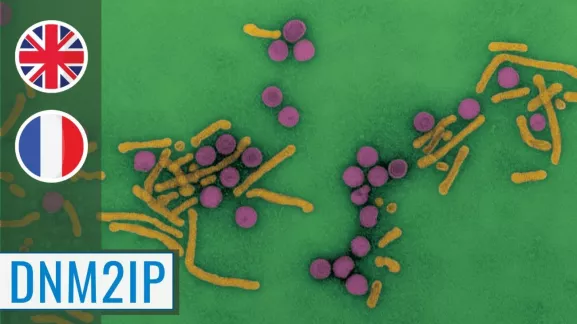
Viral Hepatitis MOOC
Course available from March 10, 2026, to March 9, 2027
Course Directors: Françoise Lunel-Fabiani, Dominique Franco and Stanislas Pol
Neglected Tropical Diseases MOOC
Course available from January 27, 2026, to January 26, 2027
Course Directors: Brice Rotureau, Jean Jannin and Cléa Melenotte
Viral Outbreaks and Pandemics, a One Health Approach MOOC
Course available from January 13, 2026, to January 12, 2027
Course Directors: Pierre-Emmanuel Ceccaldi, Arnaud Fontanet, Jean-Pierre Vartanian and Stephan Zientara
Water-borne Infectious Diseases MOOC
Course available from December 2, 2025, to December 1, 2026
Course Directors: François-Xavier Weill, Chloé Dupont, Maël Bessaud and Dominique Franco
HIV Science MOOC
Course available from November 4, 2025, to November 3, 2026
Course Directors: Michaela Müller-Trutwin and Asier Sáez-Cirión
Human Populations and Evolutionary Genetics MOOC
Course available from October 14, 2025, to October 13, 2026
Course Directors: Luis Quintana-Murci and Étienne Patin
Medical Mycology MOOC
Course available from September 30, 2025, to September 29, 2026
Course Directors: Dea Garcia-Hermoso and Olivier Lortholary
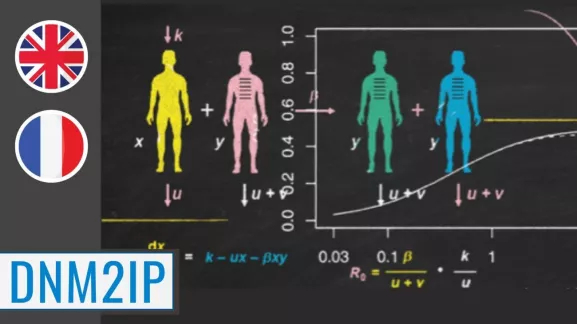
Modeling infectious diseases MOOC
Course available from September 2, 2025, to September 1, 2026
Course Directors: Romulus Bréban and Pierre-Yves Boëlle
Viruses and Human Cancers MOOC
Course available from May 6, 2025, to May 5, 2026
Course Director: Jean-Pierre Vartanian
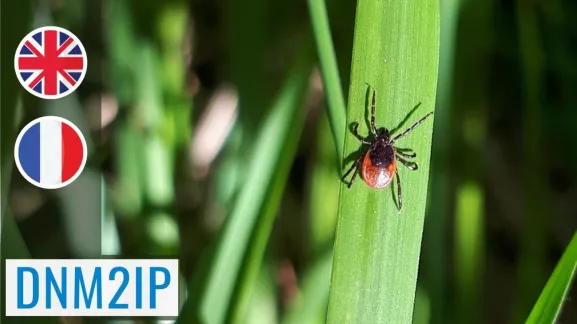
Medical Entomology MOOC
Course available from April 8, 2025, to April 7, 2026
Course Directors: Anna-Bella Failloux and Christophe Paupy
Upcoming MOOCs
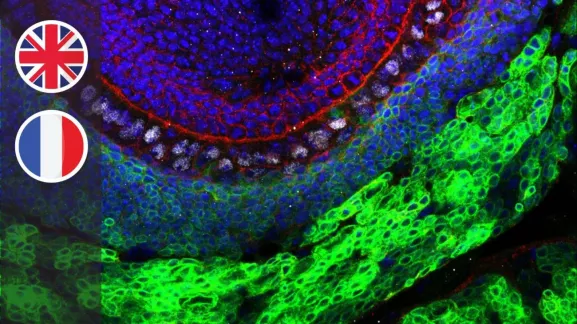
Advances in Stem Cell Biology MOOC
Next session: Q1 2027
Course Director: Shahragim Tajbakhsh
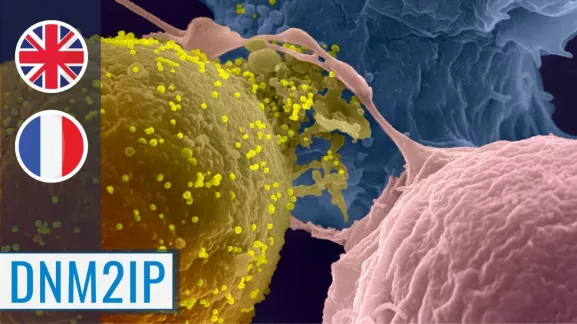
Innate immunity MOOC
Next session: Q4 2026
Course Directors: Jean-Marc Cavaillon and Daniel Scott-Algara
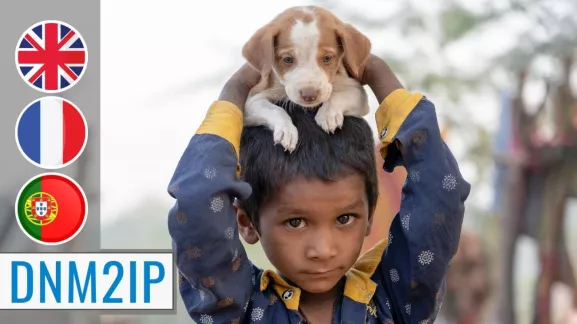
Rabies MOOC
Next session: Q4 2026
Course Directors: Hervé Bourhy and Noël Tordo
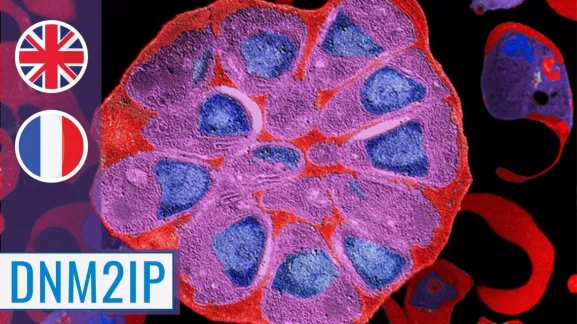
Malaria MOOC
Next session: Q4 2026
Course Director: Chetan Chitnis
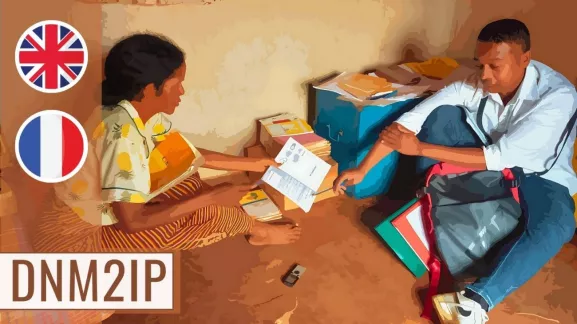
Social Sciences and Humanities and Epidemic Management MOOC
Next session: Q4 2026
Course Directors: Chiarella Mattern, Cyrine Bouabid and Hichem Ben Hassine
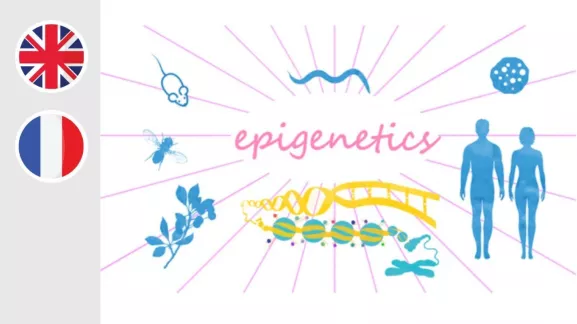
Epigenetics MOOC
Next session: Q4 2026
Course Director: Germano Cecere
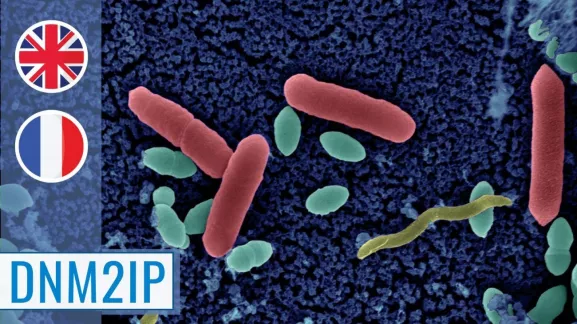
Resistance to Antibacterial Agents MOOC
Next session: Q1 2027
Course Directors: Béatrice Berçot, Didier Mazel and Philippe Glaser
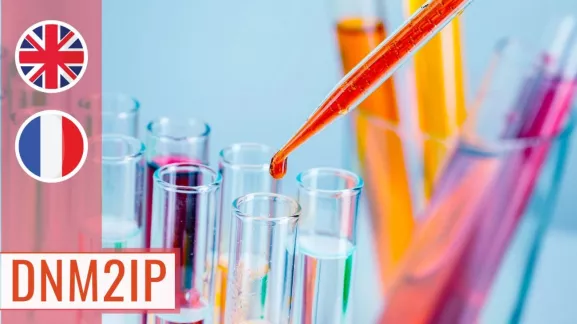
Biobanking MOOC
Next session: Q1 2027
Course Director: Fay Betsou
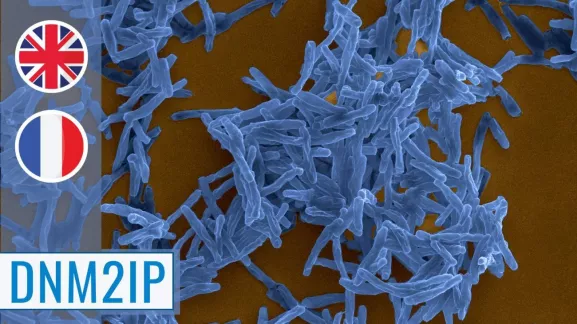
Tuberculosis MOOC
Next session: Q1 2027
Course Directors: Philippe Morand, Ludovic Tailleux and Nicolas Veziris
Learner Stories
As a humanitarian health worker, the knowledge and certifications I earned through these MOOCs played a major role in helping me secure new job opportunities.
These courses helped me develop the skills and competencies I needed to successfully enter the professional world.
I really appreciate the flexibility of the MOOCs and the high-quality content, which fits perfectly into my busy schedule as a PhD candidate.

I especially enjoy the diversity of topics covered by the MOOCs. They have broadened my knowledge of biology and complement my background in chemistry.
Ten Years of Digital Learning at the Institut Pasteur
Since 2015, the Institut Pasteur has been developing MOOCs to make scientific knowledge accessible to learners around the world and help address today's major public health challenges.
This initiative builds on the Institut's educational mission, which began in 1889 with Émile Roux's pioneering Microbie technique course, while embracing digital learning and the needs of an international community of learners.
Frequently Asked Questions
A MOOC (Massive Open Online Course) is a free online course that is accessible to a large number of learners around the world.
Yes. All Pasteur MOOCs offer free access to the full course content. An optional paid final assessment is available for learners who wish to earn a certificate.
Pasteur MOOCs are designed for students, health professionals, scientists, and lifelong learners around the world who wish to deepen their knowledge of the life and health sciences. A minimum undergraduate-level background is recommended.
A bachelor's degree in the biological sciences, medicine, or an equivalent field is strongly recommended. However, Pasteur MOOCs bring together learners of all ages, nationalities, and backgrounds who share an interest in the life and health sciences.
Enrollment takes place through the FUN MOOC platform when registration is open. Visit the course page in our catalog and follow the enrollment link to register.
Yes. You can earn a certificate by successfully completing the optional paid final assessment at the end of the course.
By successfully completing the optional paid final assessment for five eligible MOOCs, learners can earn the Institut Pasteur Digital Diploma in Infectious Diseases (DNM2IP).
The MOOCs are taught in English and include subtitles in both English and French.

Support Digital Education at the Institut Pasteur
By supporting the Institut Pasteur's digital education initiatives, you help make scientific knowledge accessible to learners around the world and expand access to high-quality training, particularly in regions where educational resources and certification opportunities may be limited.
Your support can help:
- Sponsor a MOOC
- Co-develop a course on a major public health topic
- Fund certification exams for learners in underserved regions